Want to Invest in Property?
Let us help you make the right decisions for the best results.

Let us help you make the right decisions for the best results.
No property is ever truly perfect, no matter how hard you look. Even those who build from scratch typically later find aspects they’d change if given the chance.
The key to successful property acquisition isn’t finding perfection – it’s understanding where and how to compromise wisely.
By focusing on what you can and cannot change about a property, you can make decisions that will serve you well for years to come.
Before deciding where you’re willing to compromise, it’s essential to clearly define your purpose. Are you purchasing:
For investments particularly, your compromises should never undermine the property’s ability to perform financially.
Personal preferences matter less here than fundamental market attributes that drive capital growth and rental demand.
Location represents the aspect of a property that’s literally set in stone. While you can change almost everything about a building, you cannot change:
If budget constraints make your ideal suburb unattainable, consider bridesmaid suburbs – those adjacent to premium areas that may offer better value while retaining many desirable characteristics.
The fundamental nature of the property, whether it’s a house, townhouse, villa unit, or apartment, are largely fixed in and of themselves – and present significant constraints on what can be changed therein.
Pay close attention to:
In all cases, these physical and administrative limitations must be weighed carefully. Compromising here can have long-term consequences.
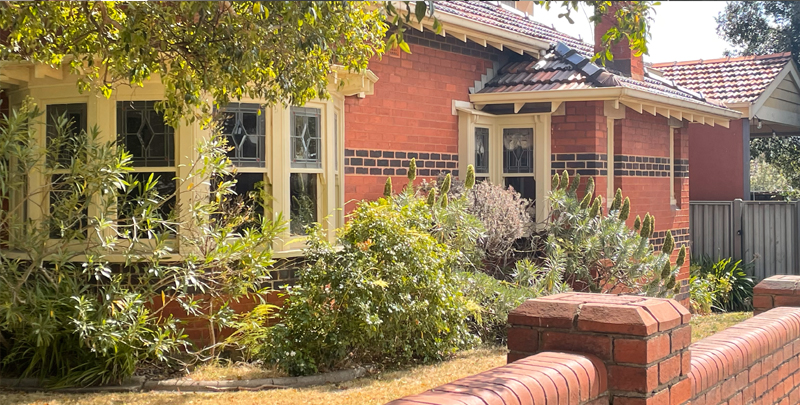
Architectural style, whether a property is Victorian, Edwardian, Art Deco, mid-century, or contemporary, isn’t just a matter of taste. It reflects how the home lives, how it fits within its streetscape, and how easily it can be restored or updated.
So, if style is part of your priority list, think hard before compromising. Reinstating charm and coherence can be rewarding, but it’s rarely cheap or easy.
And from an investment point of view, a property that feels jarringly out of step with its location may struggle to achieve top-tier returns.
When it comes to size, it’s not just about square meterage, it’s about how space is used and whether it can be adapted.
Perhaps the most flexible area for compromise is a property’s condition:
Be honest about your renovation capacity. Some buyers underestimate the cost, time, or stress involved. Others thrive on the opportunity to personalise and add value.
And remember, the biggest returns often come when you improve what can be changed, while having secured the things that often can’t – location, orientation, and layout.
Successful property purchasing isn’t about finding perfection – it’s about making strategic compromises that align with your long-term objectives.
When assessing where to compromise, focus first on securing the unchangeable elements: location, orientation, building type and fundamental structure. These foundations typically cannot be altered, even with significant budgets or resources.
Reserve your compromises for aspects of condition that can be modified over time – dated kitchens, cosmetic finishes, or landscaping.
Remember that the property that seems ‘almost perfect’ today might actually offer better long-term value than one that appears flawless but offers little opportunity for improvement.
By understanding where to compromise wisely, you position yourself to make truly rewarding property decisions today, and long term capital growth long into the future.
Listen to Jarrod’s podcast: