Want to Invest in Property?
Let us help you make the right decisions for the best results.

Let us help you make the right decisions for the best results.
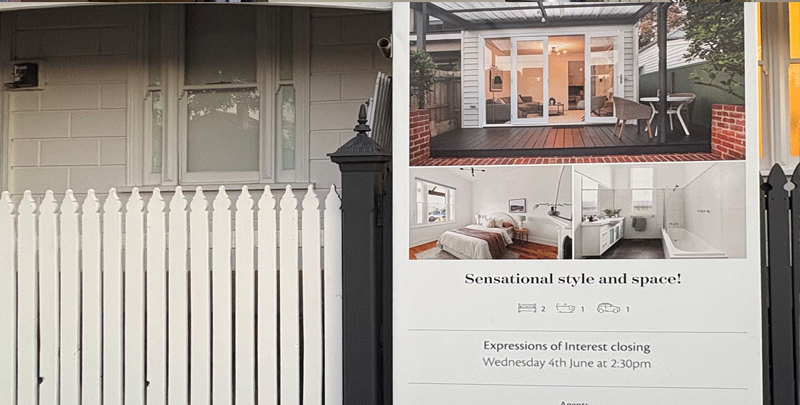
Expressions of interest (EOIs) have long left buyers with more questions than answers. Under Victoria’s new disclosed reserve rules, buyers are likely to be facing them far more often.
Back in 2021, we recorded a podcast episode on expressions of interest. Years later, it still picks up many new listeners every week. Buyers clearly want to understand how EOIs work, and the process still causes plenty of uncertainty.
The new rules are now in effect. Vendors must publish their reserve at least seven days before any sale with a set end date, which covers auctions, expressions of interest and sale by set date. It applies to campaigns concluding after 16 October.
Most of the public discussion has centred on auctions. But in our conversations with agents, many are now steering vendors toward EOIs instead. Both methods require the disclosed reserve. The appeal of the EOI is control. And for buyers, that’s exactly where the uncertainty lies.
Here’s what buyers need to understand about EOIs under the new rules.
Auctions are a very transparent way to buy property. You can see who you’re bidding against, how much they’re bidding and in what increments. You decide when to bid and how far to go. Every bidder is bidding unconditionally. And if you’re the highest bidder, you either buy the property or get the first right to negotiate at the vendor’s reserve.
EOIs work differently. You don’t know how many buyers have submitted. You can ask, but you can’t verify the answer. You don’t know whether other offers sit well above yours, well below or close by. And you don’t know what conditions are attached to them.
That last point matters. You might be told another buyer has offered more. But your offer might have better terms, such as no finance clause or a more suitable settlement. The vendor can weigh price against conditions. You only see part of the picture.
Knowing the reserve gives buyers a clearer view of the vendor’s price expectations. That’s a step forward. But the vendor’s reserve price was never the main concern with EOIs.
The real issue is everything else: how many offers are in, where they sit, what conditions are attached, and how the process will be run. The new rules don’t change any of that.
Every agent runs EOIs differently. At auction, the process is consistent. Terms are read out, vendor bids are allowed and you control your own bidding. With an EOI, never assume the process will match your last one, even with the same agent.
So ask a lot of questions, and get clear answers before you submit anything.
If the contract isn’t ready, there’s no point discussing figures. Your offer won’t be binding on either party. And it can be run past other buyers, who then come in over the top of you.
Ask about buyer profiles and the depth of interest. Then listen closely to how the agent answers. The wording can tell you which way they’re trying to guide you.
The new rules add a useful question here. The quote advertised early in a campaign won’t necessarily match the reserve disclosed later. If you’re looking early, ask the agent whether they expect the reserve to line up with the current quote. The answer can hint at both the vendor’s expectations and the level of interest from other buyers.
Find out whether offers subject to finance or a building inspection will be considered. If the property looks like it needs work, you may want the inspection done before you submit, as it could change what you’re prepared to pay.
Also enquire about contract amendments, such as missing permits or certificates and special conditions you need included or altered.
Ask whether the vendor plans to run through to the end date or would consider selling earlier. You might be happy to wait. Other buyers might not be. Be ready to act if someone brings it forward.
This is where EOIs vary most. Common approaches include:
The new rules add a wrinkle to that last option. If an EOI is brought forward because an acceptable offer has come in, and the reserve hasn’t been disclosed for the full seven days before the new date, a boardroom auction can’t legally be held.
It could be a phone call, a text, an email, a signed contract or a one-page pro forma. Find out early so you don’t run out of time on the day.
Once you have the answers, you can plan your approach. If the first acceptable offer gets a last right of refusal, getting in early may help. If it’s a single highest-and-best round, submitting just before the deadline reduces the risk of your offer being shared with other buyers. Then there’s the bigger call: put your best figure forward upfront, or hold some back.
There’s no single right answer. Each campaign is different, and so is the information you’ll be given.
If the process feels uncomfortable, professional help is worth considering. Someone who works through these negotiations regularly can take a lot of the pressure off, firstly giving you the best chance of securing the property, and second paying as little as possible.
Victoria’s disclosed reserve rules give buyers more information about price. But for expressions of interest, price was never the whole problem. The lack of transparency around competing offers, conditions and process remains. And if agents keep steering vendors toward EOIs, buyers will be dealing with that uncertainty more often.
The best protection is preparation. Ask every question before you submit. Never assume this campaign will run like the last one. And build your strategy around the answers, not your assumptions.
Listen to Jarrod’s podcast: